 Advertisement
Enclosed Vehicle Transport: A Complete Guide for Vehicle Owners
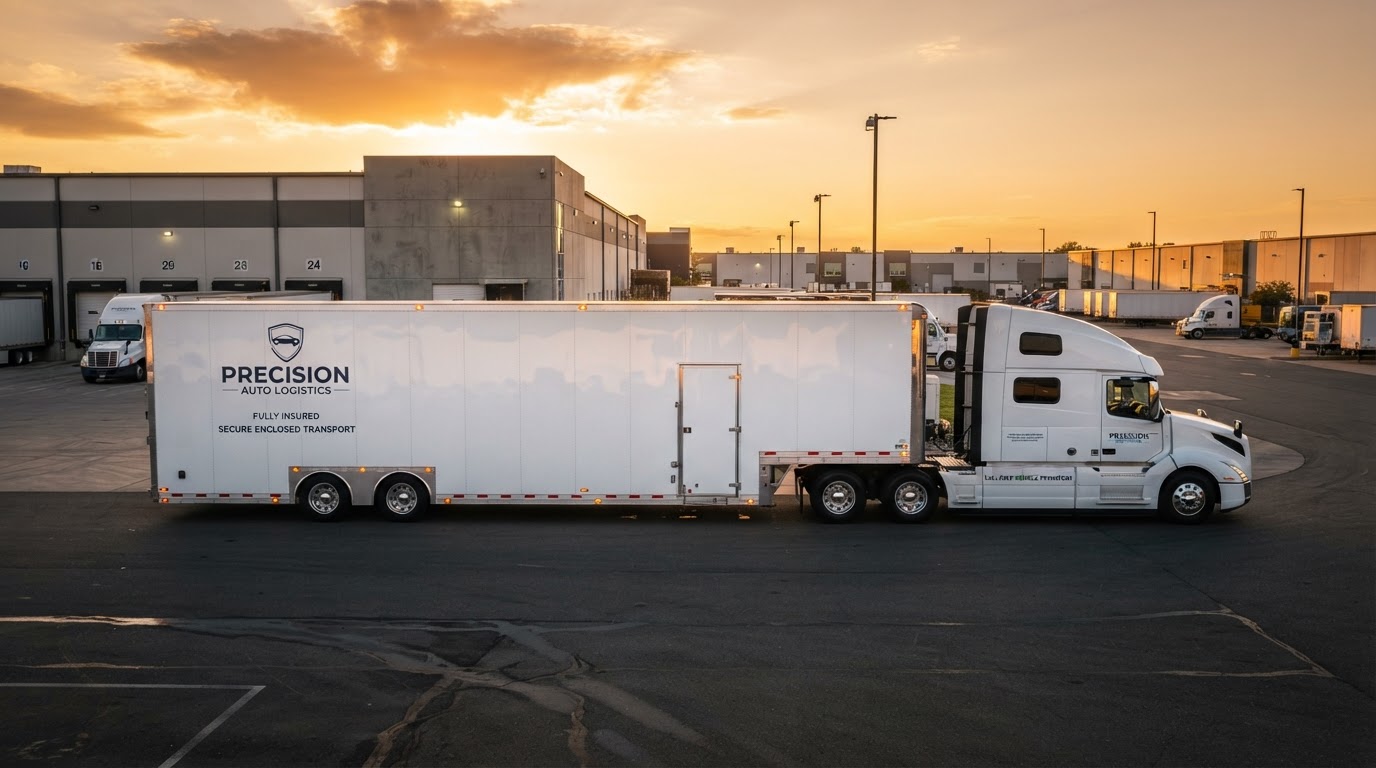
When you need to move a high-value automobile across the country, enclosed vehicle transport is the gold standard for protection and discretion. Unlike open carriers that expose your car to weather, road debris, and prying eyes, an enclosed trailer shields your vehicle inside a hard-sided or soft-sided bay from pickup to delivery. For classic, exotic, luxury, and collectible vehicles, enclosed vehicle transport is almost always the right call.
The process begins with a quote. You will provide the vehicle's year, make, model, pickup and delivery locations, and preferred dates. The carrier or broker then provides an estimate based on distance, route, vehicle size, fuel prices, and seasonal demand. Enclosed rates typically run 40 to 60 percent above open transport because the equipment is more specialized, the trailers carry fewer vehicles, and the insurance limits are higher.
Once booked, the carrier assigns a trailer and driver. On pickup day, the driver inspects the vehicle and records its condition on a Bill of Lading—a legally binding document that notes any pre-existing damage. The vehicle is then loaded, most often using hydraulic liftgates or low-angle ramps for low-clearance cars, and secured with soft-tie wheel straps that avoid contact with the suspension or chassis. During transit, the vehicle rides inside the enclosed trailer, protected from stone chips, hail, salt, and theft.
Choosing the right provider for enclosed vehicle transport means verifying credentials before you book. Always confirm the carrier's USDOT and MC numbers through the FMCSA SAFER database, request a certificate of insurance showing cargo coverage adequate for your vehicle's value, and ask whether the trailer has climate control if your car has sensitive materials. Read the contract carefully—understand the deductible, the claims process, and whether pickup and delivery windows are guaranteed or estimated.
Cost factors are worth understanding in detail. Distance is the biggest driver of price, but vehicle size matters too—oversized trucks or wide-body exotics may require a specialized trailer. Seasonal demand spikes during snowbird season and summer relocation peaks. Expedited or dedicated single-car service costs a premium but can cut transit time dramatically. Brokers may quote lower by arranging transport through a third-party carrier; confirm who physically moves your vehicle and how their insurance applies.
Preparation is the owner's responsibility. Wash the car so existing imperfections are visible, keep fuel between a quarter and half tank, disable alarms, remove loose accessories, and photograph every panel before pickup. On delivery, inspect the vehicle against the Bill of Lading before signing off—once you accept delivery, documenting new damage becomes far more difficult. If there is a discrepancy, note it on the delivery paperwork immediately.
Enclosed vehicle transport is an investment in the condition and security of your automobile. By understanding the process, verifying your carrier, and preparing your vehicle properly, you can move your most valued cars with confidence and arrive at the destination ready to drive.
Need Enclosed Transport Services?
Browse listed enclosed transport providers or list your auto transport business today.
 Advertisement