 Advertisement
Enclosed Vehicle Shipping: A Long-Distance Planning Guide
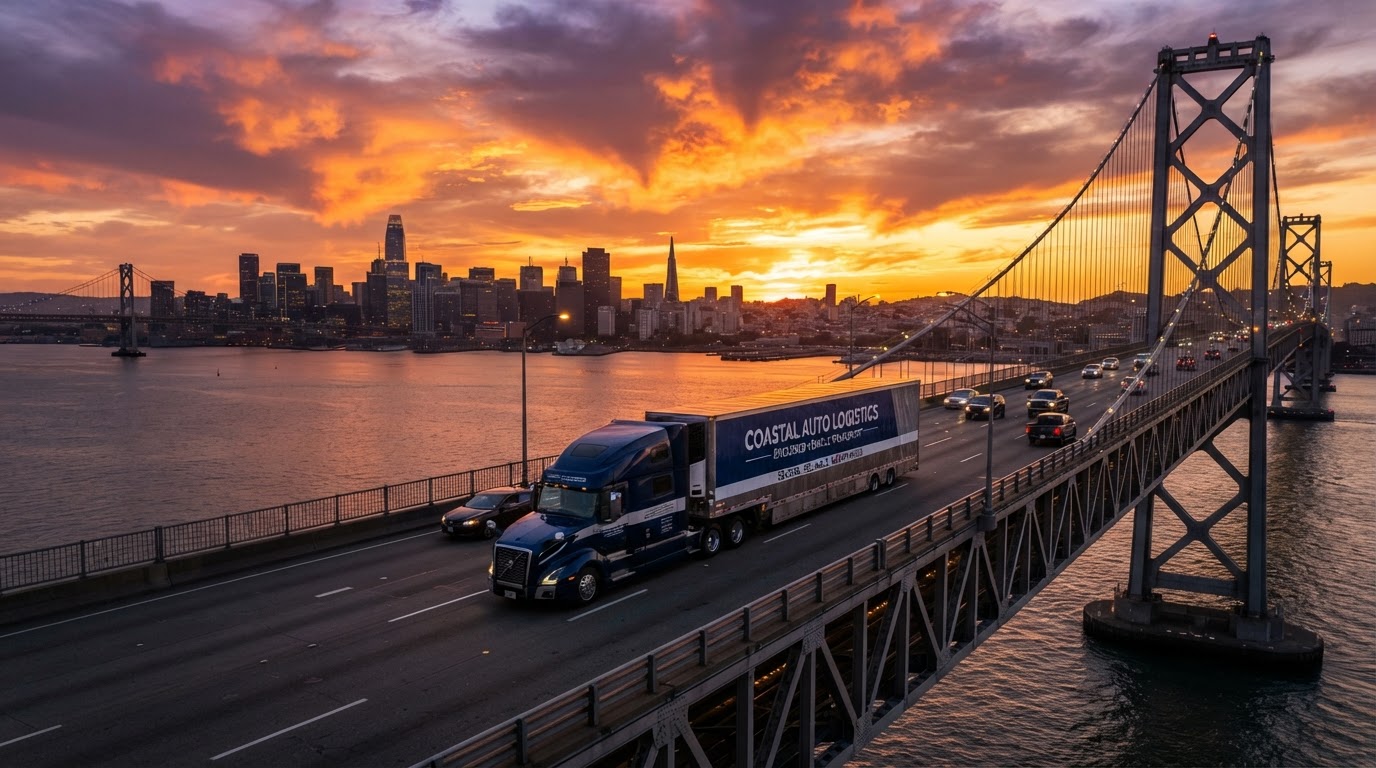
Long-distance enclosed vehicle shipping is the premium solution for moving high-value automobiles across states or coast to coast, and planning it well ensures your vehicle arrives protected and on schedule. Whether you are relocating, selling, buying, or sending a car to a show, understanding the logistics helps you set realistic expectations and choose the right service level for your timeline and budget.
Timelines are the first planning consideration. A cross-country enclosed vehicle shipping move typically spans 2,500 to 3,000 miles and takes 7 to 14 calendar days from pickup to delivery. Shorter regional moves may take 2 to 5 days. Carriers consolidate vehicles along interstate corridors—I-10, I-40, I-80, and I-95—so pickup and delivery are usually windows of a few days rather than precise hours. If your schedule is tight, expedited or dedicated single-car service can compress transit time significantly, though at a premium.
Cost factors for long-distance enclosed vehicle shipping include distance, vehicle size, seasonal demand, and service level. Enclosed rates run 40 to 60 percent above open transport because the equipment is specialized and the trailers carry fewer vehicles. Oversized or wide-body vehicles may require a specialized trailer. Peak seasons—snowbird in late fall and summer relocation—see higher demand and tighter capacity, so book early if your move falls during these windows.
Seasonal conditions affect both timing and handling. Winter routes through mountain passes may add days for chain controls and storm delays, while summer desert routes can impose heat-related precautions for vehicles with sensitive materials. If your car has aged leather, vintage wood, or lacquer finishes, ask whether the trailer offers climate control to maintain a stable interior environment throughout the journey.
Choosing the right carrier is the most important decision in long-distance enclosed vehicle shipping. Verify USDOT and MC numbers through the FMCSA SAFER database, request the certificate of insurance to confirm cargo coverage adequate for your vehicle's value, and ask about equipment—hydraulic liftgates, soft-tie wheel straps, climate control, GPS tracking. Brokers may quote lower by arranging transport through a third-party carrier; always confirm who physically moves your vehicle and how their insurance applies.
Preparation protects you throughout the shipment. Wash the vehicle so existing imperfections are visible on the Bill of Lading, keep fuel between a quarter and half tank, disable alarms, remove loose items, and photograph every panel before pickup. On delivery, inspect the vehicle against the condition report before signing off—once you accept delivery, documenting new damage becomes far more difficult. Note any discrepancies on the delivery paperwork immediately.
Long-distance enclosed vehicle shipping is an investment in the protection and security of your automobile. By planning timelines, understanding costs, verifying your carrier, and preparing your vehicle, you can move your most valued cars across the country with confidence and have them arrive ready to drive or display.
Need Enclosed Transport Services?
Browse listed enclosed transport providers or list your auto transport business today.
 Advertisement