 Advertisement
Enclosed Car Shipping Companies: Comparing Your Options
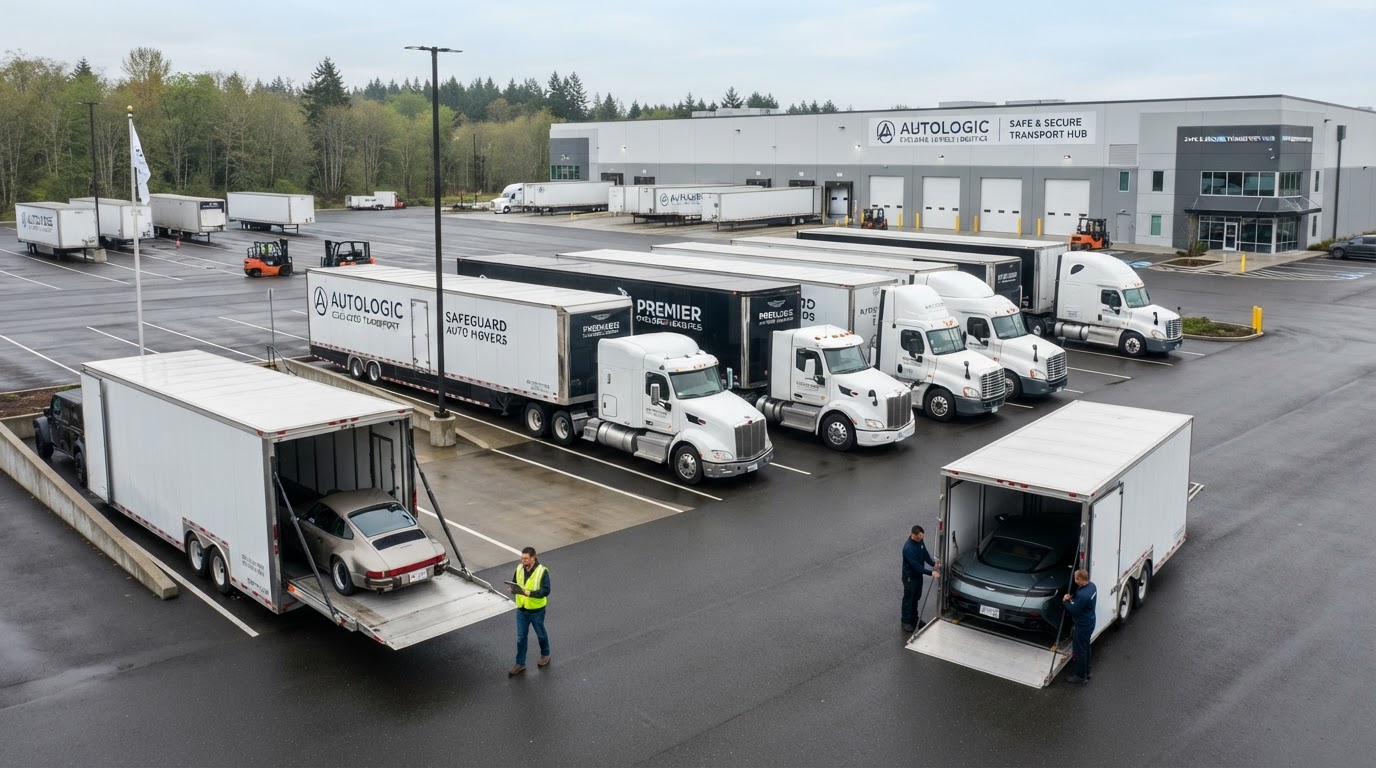
Comparing enclosed car shipping companies is essential when you are trusting a provider with a high-value vehicle. The enclosed transport market includes motor carriers that own their trailers, brokers that arrange transport through third-party carriers, and businesses holding both authorities. Understanding the differences helps you compare quotes on a level playing field and avoid providers that cut corners on insurance or equipment.
Start with operating authority. Every legitimate enclosed car shipping company should provide a USDOT number and, for interstate moves, an MC number. Verify these through the FMCSA SAFER Company Snapshot, which shows entity type, authority status, and insurance filings. A USDOT number alone does not prove active operating authority—confirm the authority is active and that cargo insurance is filed and current. This single step weeds out many unqualified providers.
Insurance is the next critical comparison. Request the certificate of insurance from each enclosed car shipping company you are considering and confirm the per-vehicle cargo limit. For exotics or classics valued above that limit, ask about supplemental or contingent coverage. Understand the deductible and claims process before booking. A provider that is reluctant to share insurance details should be eliminated from consideration.
Equipment distinguishes professional enclosed car shipping companies from commodity haulers. Ask whether the trailer is hard-side or soft-side enclosed, whether it has hydraulic liftgates for low-clearance vehicles, whether climate control is available, and what tie-down system is used. Soft-tie wheel straps are standard for high-value cars; chains can damage suspension. Not every enclosed carrier stocks the same equipment, so match the provider to your vehicle.
Pricing transparency is a strong signal of a reputable company. Request written quotes that itemize pickup and delivery terms, insurance limit, estimated transit window, and any extras like GPS tracking or climate control. Be wary of unusually low quotes that may route through terminals, carry lower insurance, or add fuel surcharges after booking. Compare the full package, not just the headline number, and understand what is included before you commit.
Reputation and customer service complete the picture. Look for reviews on independent platforms, ask how the company handles disputes, and gauge responsiveness during the quoting process—a company that is slow to respond before you pay is unlikely to improve after. Common red flags include no verifiable DOT authority, pressure for large upfront deposits, vague transit estimates, or refusal to provide insurance documentation.
Taking the time to compare enclosed car shipping companies thoroughly protects both your vehicle and your investment. Verify authority, confirm insurance, inspect equipment, demand pricing transparency, and choose a provider whose capabilities and reputation match the value of the car you are entrusting to them. The right company makes the difference between a seamless delivery and a costly dispute.
Need Enclosed Transport Services?
Browse listed enclosed transport providers or list your auto transport business today.
 Advertisement