 Advertisement
Enclosed Auto Transport Quotes: How to Request and Compare
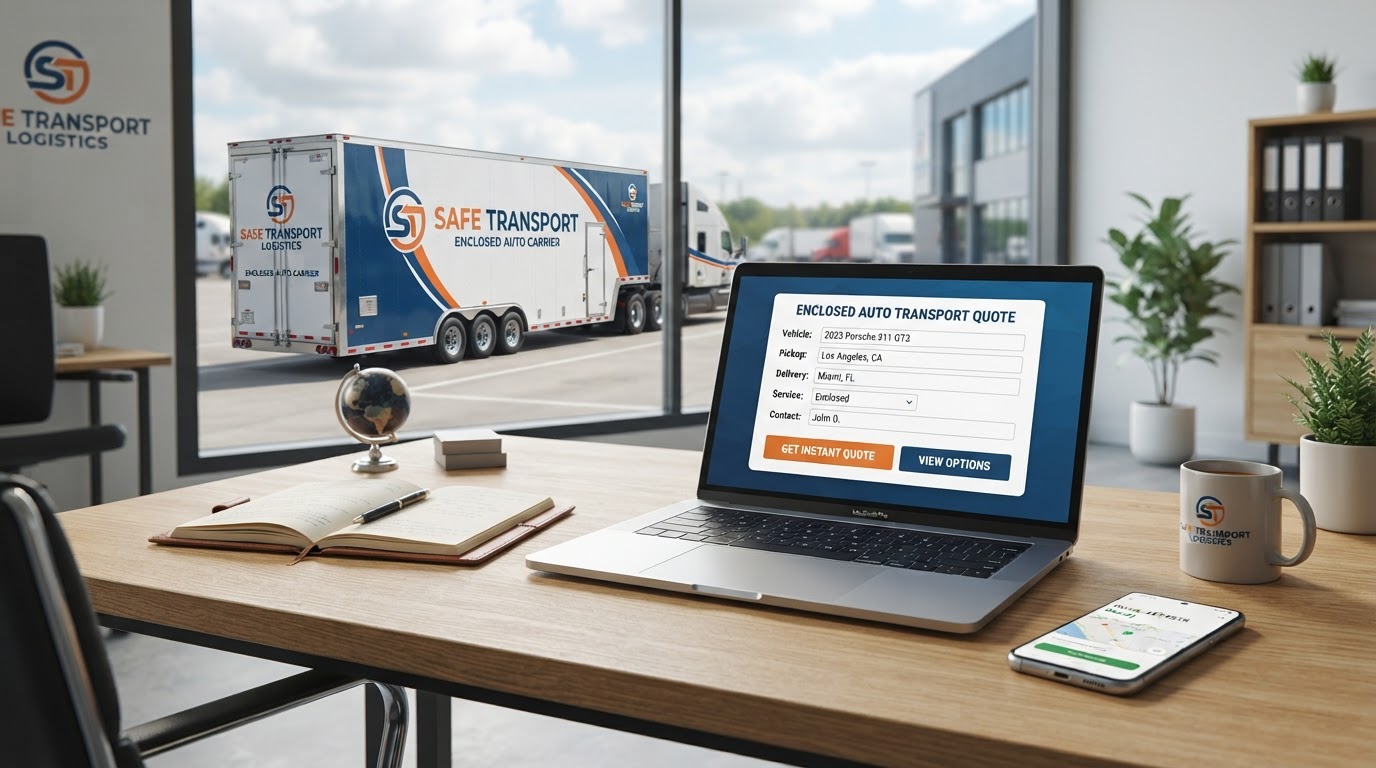
Enclosed auto transport quotes are only as accurate as the information you provide and only as useful as your ability to compare them. A transparent quote itemizes pickup and delivery terms, insurance, transit window, and extras so you can evaluate the full package rather than a headline price. Understanding how to request and compare enclosed auto transport quotes helps you avoid surprises and choose a carrier whose value matches your vehicle.
Start by gathering the details a carrier needs to quote accurately. Provide the vehicle's year, make, model, and overall condition—specifically whether it is operable and whether it rolls and brakes. Note any oversized dimensions, low ground clearance, or modifications that affect loading. Give exact pickup and delivery locations, not just cities, so the carrier can assess mileage and access. The more precise your information, the more accurate the enclosed auto transport quotes you receive.
Distance is the largest cost driver, but it is not the only one. Vehicle size, seasonal demand, and service level all affect pricing. When requesting enclosed auto transport quotes, specify your preferred dates but remain flexible if possible—carriers consolidate vehicles along interstate corridors, so pickup and delivery are usually windows of a few days. If your schedule is tight, ask about expedited or dedicated single-car service, which costs more but compresses transit time.
Comparing enclosed auto transport quotes means looking beyond the dollar figure. Request each quote in writing and confirm what is included: door-to-door or terminal pickup and delivery, the per-vehicle cargo insurance limit, the estimated transit window, and any extras like GPS tracking or climate control. Be wary of quotes that are dramatically lower than others—they may route through terminals, carry lower insurance, or add fuel surcharges after booking. A transparent breakdown is the hallmark of a reputable carrier.
Insurance is the most important comparison point. Ask each provider for a certificate of insurance and confirm the per-vehicle cargo limit against your vehicle's value. For exotics or classics valued above the standard limit, ask about supplemental or contingent coverage. Understand the deductible and the claims process before booking. A provider that is reluctant to share insurance details should be eliminated from consideration—this is a red flag that the coverage may be inadequate.
Verify operating authority alongside quotes. Every legitimate provider should offer a USDOT number and, for interstate moves, an MC number. Confirm these through the FMCSA SAFER Company Snapshot, which shows entity type, authority status, and insurance filings. Brokers may quote lower by arranging transport through a third-party carrier; always confirm who physically moves your vehicle and how their insurance applies to your shipment.
Requesting and comparing enclosed auto transport quotes is the foundation of a successful shipment. By providing accurate vehicle details, demanding transparent written quotes, comparing the full package, and verifying authority and insurance, you can choose a carrier whose service and protection match the value of the vehicle you are shipping—and avoid the quotes that cut corners where it matters most.
Need Enclosed Transport Services?
Browse listed enclosed transport providers or list your auto transport business today.
 Advertisement