 Advertisement
Enclosed Auto Shipping: Equipment, Process & Best Practices
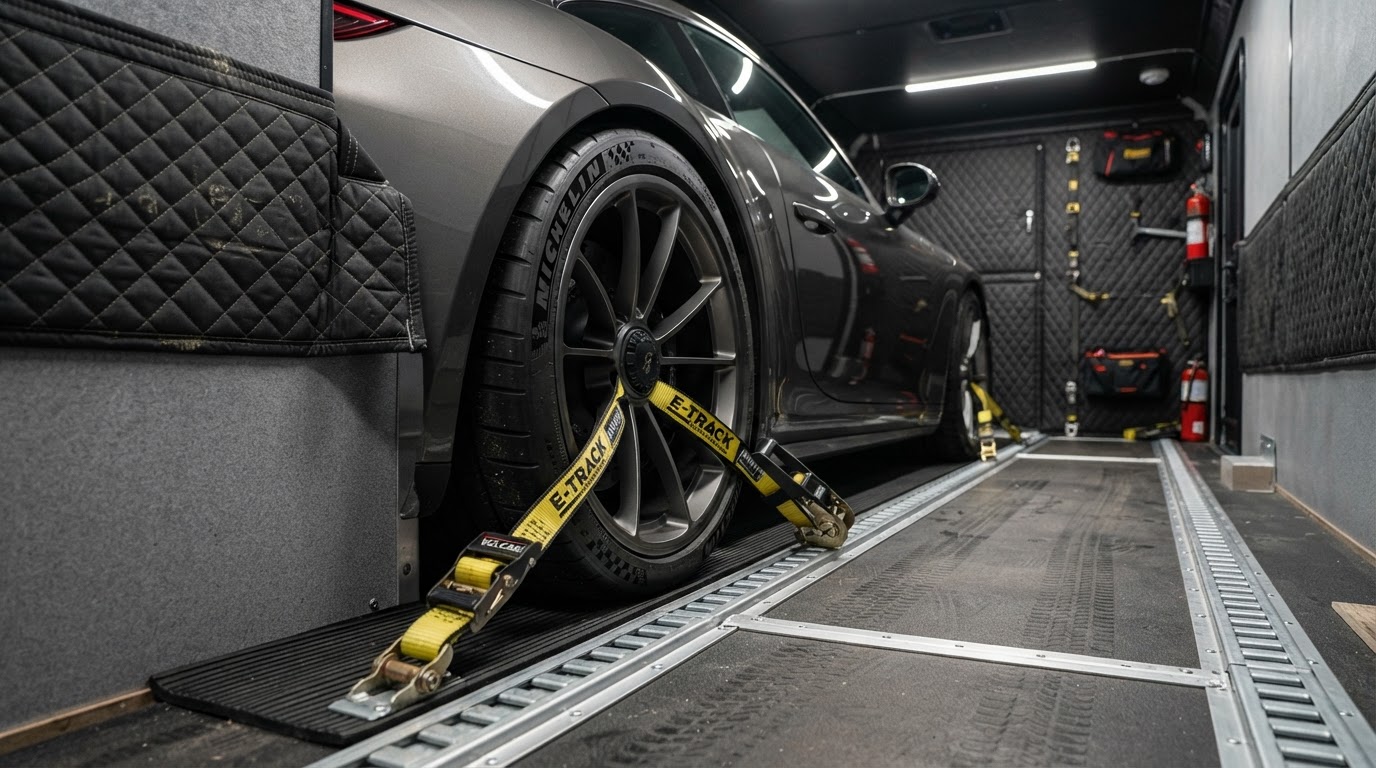
Enclosed auto shipping is defined as much by its equipment and process as by the trailer itself. Professional enclosed carriers invest in specialized loading gear, secure tie-down systems, and trained drivers who understand how to handle low-clearance, exotic, and classic vehicles without causing damage. Understanding this equipment and process helps you evaluate providers and prepare your vehicle for a safe shipment.
The trailer is the foundation. Hard-side enclosed trailers provide rigid walls and a roof for maximum protection, while soft-side enclosed trailers offer fabric sides over a structural frame. Both shield the vehicle from road debris, weather, and public view. Inside, the bay is typically padded to prevent the vehicle from contacting the trailer structure during transit. For oversized or wide-body vehicles, specialized trailers with extended ramps, wider doors, and taller clearance are available.
Loading is the highest-risk moment in enclosed auto shipping, and professional equipment mitigates that risk. Hydraulic liftgates raise the vehicle level into the trailer, which is critical for sports cars with low ground clearance—a steep ramp can crack a front splitter or scrape a diffuser on the first attempt. Low-angle ramps are an alternative for vehicles that can tolerate a gentle incline. The carrier's experience loading your specific vehicle type matters.
Tie-down systems secure the vehicle for transit. Soft-tie wheel straps are the industry standard for high-value cars—they hold the vehicle by its wheels, eliminating contact with the suspension, chassis, or underbody. This is critical for cars with exposed carbon fiber, magnesium components, or delicate brake lines. Chains or chassis hooks can damage these components and should be avoided for exotic or classic vehicles. Confirm which system your carrier uses before booking.
The process itself follows a structured sequence. After booking, the carrier schedules a driver and trailer. On pickup day, the driver inspects the vehicle, records its condition on a Bill of Lading, loads it using the appropriate equipment, and secures it with soft ties. During transit, the vehicle rides protected inside the enclosed trailer. Many carriers offer GPS tracking so you can monitor progress. On delivery, the driver unloads and you inspect against the Bill of Lading before signing.
Preparation best practices protect you throughout. Wash the vehicle so existing imperfections are visible on the condition report, keep fuel between a quarter and half tank, disable alarms that could trigger from vibration, remove loose accessories, and photograph every panel before pickup. These steps make the inspection at both ends straightforward and provide evidence if a claim arises. On delivery, inspect carefully before signing the delivery receipt.
Professional enclosed auto shipping combines the right equipment, a disciplined process, and careful preparation to move high-value vehicles safely. By understanding what goes into a quality shipment—from the trailer and loading gear to the tie-down system and documentation—you can choose a carrier whose standards match the value of your vehicle and ship with confidence.
Need Enclosed Transport Services?
Browse listed enclosed transport providers or list your auto transport business today.
 Advertisement