
 Advertisement
Classic Car Transport: Preserving Automotive History in Transit
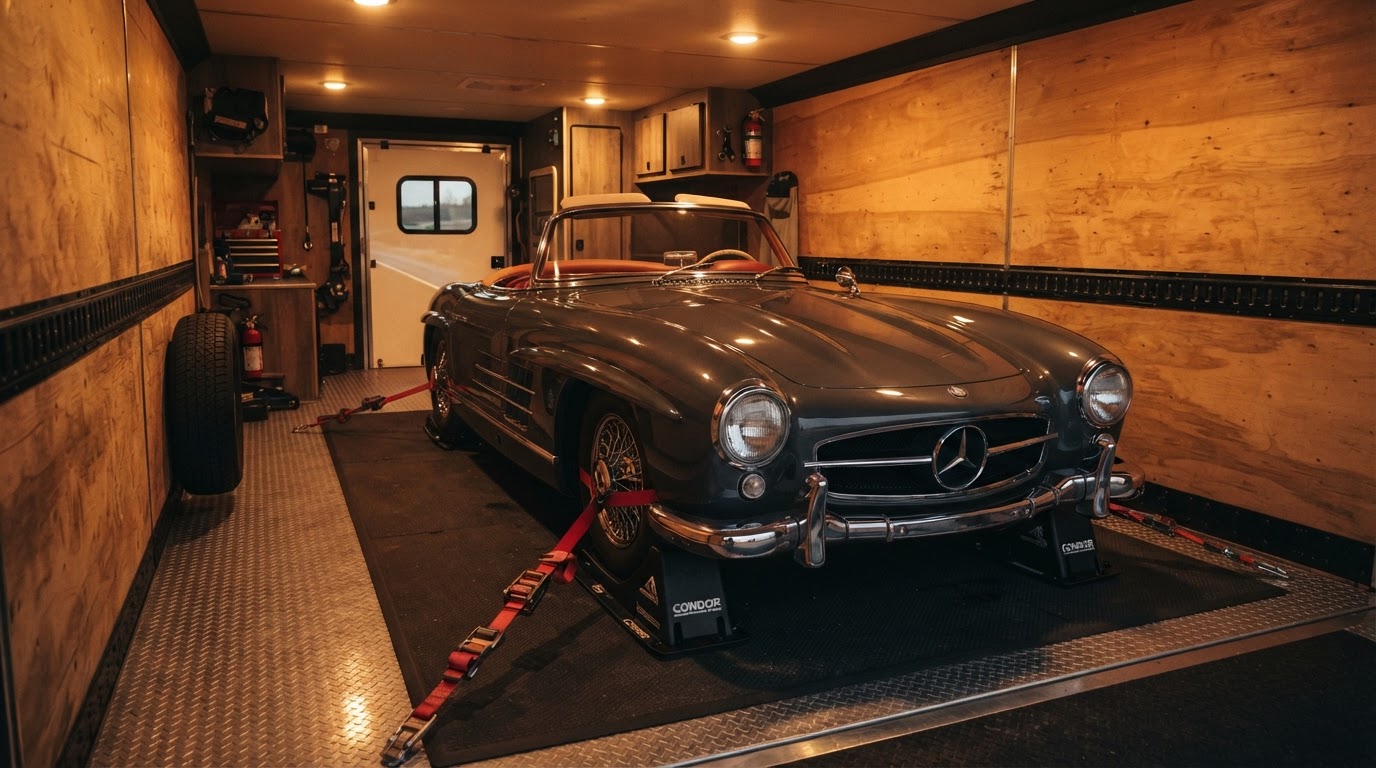
Classic car transport is about preserving automotive history as much as moving a vehicle from one place to another. Vintage automobiles often feature aged materials, irreplaceable trim, and paint finishes that cannot be easily replicated or repaired. Understanding how classic car transport protects these vehicles—with enclosed trailers, climate control, and specialized insurance—helps you ship a piece of history with confidence.
The case for enclosed transport begins with protection from the elements. Classic cars often have lacquer or acrylic paint finishes, vintage leather upholstery, and rubber seals that have degraded over decades. Exposure to road salt, acid rain, or prolonged sun on an open carrier can cause fading, cracking, or corrosion that diminishes both value and authenticity. An enclosed trailer's hard or soft sides block these hazards entirely, keeping the vehicle in the condition it left in.
Climate control is a critical consideration for classic car transport. A cross-country route may traverse deserts, mountain passes, and coastal humidity in a single trip. For vehicles with aged leather, vintage wood trim, or sensitive paint, a climate-controlled enclosed trailer maintains a stable interior temperature and often manages humidity, preventing condensation on polished metal surfaces that can lead to corrosion during multi-day transit. Ask carriers specifically whether climate control is available.
Loading requires care. Many classic cars have low ground clearance, soft suspension, or wide fenders that complicate a standard ramp load. Professional classic car transport uses hydraulic liftgates that raise the vehicle level into the trailer, keeping the approach angle shallow enough to clear every component. Soft-tie wheel straps secure the vehicle by its wheels, avoiding contact with the suspension or chassis—critical for cars with delicate brake lines or exposed underbody components.
Insurance is where classic car transport demands special attention. Most enclosed carriers carry cargo coverage, but the per-vehicle limit may be well below the appraised value of a classic. Request the certificate of insurance, confirm the limit against your car's agreed or stated value, and arrange supplemental coverage if necessary. An agreed-value policy from a classic car insurer often extends coverage during transit, but confirm whether the policy applies when the vehicle is in a commercial carrier's care.
Preparation is the owner's responsibility. Wash the vehicle so existing imperfections are visible on the Bill of Lading—this document is your primary evidence in the event of a claim. Keep fuel between a quarter and half tank, disable alarms that could trigger from vibration, remove loose items, and photograph every panel before pickup. For concours vehicles, document the condition exhaustively so any transit damage can be identified and claimed immediately.
Classic car transport is an investment in preserving a vehicle that cannot be replaced. By choosing enclosed transport, verifying climate control and insurance, and preparing the vehicle thoroughly, you ensure your classic arrives at its destination ready to display, drive, or show—with its history and condition intact. The premium for enclosed service is the price of protecting an irreplaceable automobile.
Need Enclosed Transport Services?
Browse listed enclosed transport providers or list your auto transport business today.
 Advertisement